


The seven deadly sins
Jewish, Christian, and classical reflections on human nature
Most people think of sin as an outmoded idea - part of an obsolete, "medieval" frame of reference. But Solomon Schimmel maintains that "the seven deadly sins" are alive and well and deadlier than ever. Greed, envy, lust, pride, anger, sloth, and gluttony are a permanent part of human nature, and they cause as much unhappiness - both psychological and social - today as at any time in history. Yet the waning of the great religious traditions in the modern world has left us with nothing but secular psychology to guide us in the perennial struggle with our flawed and "fallen" nature. And psychology appears to be inadequate to this task. What else but this inadequacy of contemporary psychology can explain the proliferation in American culture of self-help groups like Alcoholics Anonymous, Smokers Anonymous, Gamblers Anonymous, and Shoppers Anonymous, and the growing range of 12-step programs and other support organizations concerned to help us rein in our uncontrollable appetites? A large array of even more bizarre personal therapies associated with the New Age movement address themselves to spiritual needs which modern man has lost the capacity to satisfy or even understand. Thus people swim with dolphins in order to heal their sense of alienation, or resort to shamanistic rituals and witchcraft to restore their lost community with other human beings. All these problems, Schimmel argues, can be better understood - and therapeutically addressed - within the context of traditional religious and moral teachings about sin (or vice) and virtue. While the great traditions differ with respect to their conception of human origin and destiny, all agree that we can realize happiness only by exercising self-control, or virtue. We must be good in order to be happy. These great traditions are a long-neglected mine of psychological wisdom and practical advice, which Schimmel judiciously culls in an attempt to enhance our diminished understanding of our inner moral lives. Drawing widely on the classical, Jewish, and Christian traditions, Schimmel explores their different visions of each deadly sin, contrasts them with the vision of modern secular psychology, and tells us something of the necessary virtues that contribute to self-mastery and happiness.
Beyond its central premise, the book can be read through the connected lenses of Spiritual. Those themes offer useful points of attention as the characters, ideas, or world develop, especially where the book complicates the expectations of its primary category.
As an Amazon Associate I earn from qualifying purchases.
What the reading experience may hold
A fuller profile for choosing with more confidence—not just another copy of the preview.
Spiritual
Use these as starting points rather than limits; the most memorable books often stretch beyond their catalog labels.
No specific content concerns can be confirmed from the available English catalog information. Consult a publisher or reader-supplied guide when detailed warnings matter.
These notes are inferred from available catalog information and may not be complete. Check a publisher or reader-supplied guide if you need comprehensive warnings.
Balanced tone · Measured pace
A comfortable full-length choice for steady daily reading.
A good fit if…
Readers who want a thoughtful experience and enjoy noticing the connections beneath a book’s surface story.
This book's DNA
A visual estimate based on this edition's categories, description, and length. Select a star to explore the signals.
This signal is descriptive, not a rating. It helps compare the kind of reading experience this edition may offer.
Spoiler-Free Emotional Arc
A broad estimate of the book’s emotional rhythm, shown without story events or outcomes.
This visualization is an interpretive estimate based on catalog description, categories, tone, pace, and content signals. It does not describe specific scenes.
A quick reading snapshot
Edition facts and catalog signals to help you decide whether this book fits what you want to read next.
- ISBN-13
- 978-0-0292-7901-4
- Language
- English
- Edition record
- OL24749547M
A more thoughtful way into this book
This guide uses the edition details and category signals above to help you choose deliberately. It does not replace the author's work or a full review.
A comfortable full-length choice for steady daily reading.
Begin with its place in Spiritual, then notice where the book resists that label.
Read for connection, not completion.
Mark one passage that sharpens the book's central concern and one that complicates it. That tension often reveals more than a quick summary.
Three questions to carry with you
- What question is the author really asking beneath the book’s main argument?
- Which claim challenges one of your familiar assumptions?
- What remains unresolved—and is that uncertainty useful?
Editorial framework by Wesley Bryan, BookenDeX Founder and Editor.
More Spiritual books
These matches combine shared categories with author, publication-era, and reading-length signals.

Core Energetics
by John C., M.D. Pierrakos
Why it fits: shares Spiritual, a similar reading length, a similar publication era.
Dancing in the Flames
by Marion Woodman
Why it fits: shares Spiritual, a similar reading length, a similar publication era.
Religious Violence in Contemporary Japan
by Ian Reader
Why it fits: shares Spiritual, a similar reading length, a similar publication era.
The Major Religions
by Burke, T. Patrick, Blackwell
Why it fits: shares Spiritual, a similar reading length, a similar publication era.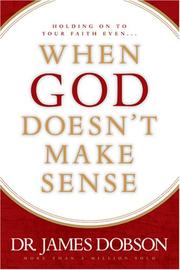
When God Doesn't Make Sense
by James C. Dobson
Why it fits: shares Spiritual, a similar reading length, a similar publication era.
Ángeles de la Navidad
by Luz Stella Rozo
Why it fits: shares Spiritual, a similar publication era.